By Joseph Bryson May 6, 2026
Which bakery loyalty programs actually keep customers coming back — and which one quietly loses them?
Running a bakery is about more than great bread and beautiful pastries. It’s about building a community of regulars who choose you over every other option on the block. A well-designed bakery loyalty program can be the difference between a one-time visitor and a customer who shows up every Saturday morning for years. But with so many loyalty models available today — from the humble punch card to digital point systems and monthly subscriptions — how do you know which one is right for your business?
This guide breaks down each model honestly, so you can make a smarter decision for your bakery.
Why a Bakery Loyalty Program Matters More Than Ever
Doing the math: Acquiring a new customer is an expensive undertaking, especially when compared to keeping existing customers. Numerous studies show the disparity. Particularly, for small bakery businesses, differentiating and acquiring customers is even tougher against grocery in-house bakeries and large chain bakeries. In this case, customer retention is an absolute business imperative.
The emotional connection created by a bakery loyalty program is irreplaceable. Recognized and rewarded customers tend to retain their business, promote your business via social media, leave reviews, and refer their friends. The power of their word-of-mouth organic promotion is exceptionally valuable and cannot be bought with any paid promotion.
The challenge is choosing the right structure. Each loyalty model works differently, appeals to different customer personalities, and demands different levels of effort from your team. Let’s look at each one.
The Classic Punch Card: Simple, Tactile, and Still Effective
What It Is
The punch card is probably the oldest format for bakery loyalty programs. A customer receives a small card, and every purchase earns a punch or stamp. After a set number of visits — typically ten — they receive a free item.
Why Bakeries Still Love It
There’s a reason punch cards are still in use. There is no technology required, no initial cost, and no training needed. Finalizing a punch card becomes easier than implementing a digital system. Who is on the receiving end? Employees and customers still interact with the card immediately, regardless of tech preparation. This becomes a great asset for small neighborhood bakeries.
Carrying the card generates subtle psychology. It’s in your wallet, so you see it. When you look, it reminds you you’re progressing toward a reward, and you feel that tangibly. Driving repeat visits this way is something that a notification on an app will struggle with.
The Real Limitations
Punch cards have serious blind spots. They’re easy to lose, forget, or damage. There’s no way to track customer behavior, collect contact information, or identify your most loyal buyers. If a long-time customer loses their card after nine punches, that frustration can feel surprisingly personal.
Shop owners have to deal with issues like duplicate cards, unauthorized punches, and fake stamps, which were much more frequent than I imagined at the start. Without a system backing that card, you are operating on trust.
Without that, you can call your customers, but that’s it. You won’t know when they come or what they buy, and you have no idea whether some of your customers are coming to your bakery for the first or last time. If you are doing a loyalty program at your bakery that does not include any data collection, you are losing a lot of money.
Points-Based Loyalty Programs: The Digital Upgrade
What It Is
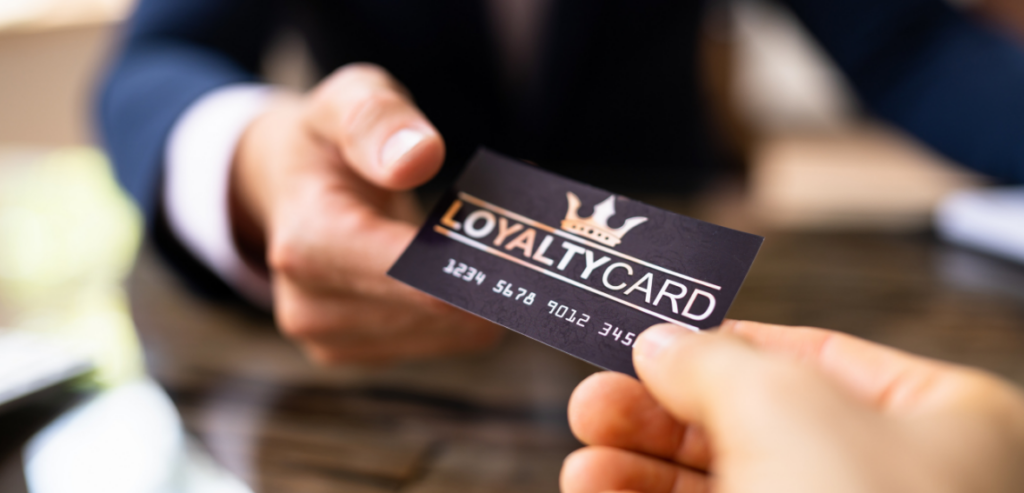
A points-based bakery loyalty program rewards customers with points for every dollar they spend. Those points accumulate and can later be redeemed for discounts, free items, or exclusive perks. Most modern versions run through a dedicated app or a third-party platform.
Why Points Work So Well
Points systems engage customers because they feel like a game. A customer sees their points balance increase and may even set personal milestones in their mind to reach the next level. They become more committed to the business and fulfill their reward level. The balance can even deter customers from leaving for a competitor since they’re invested in the balance they’ve already amassed.
From your perspective as a bakery owner, the data advantage is transformative. You can see which customers visit most frequently, what products they prefer, which days drive the most traffic, and when someone hasn’t returned in a while. That information lets you send targeted offers, re-engage lapsed customers, and build marketing campaigns that actually convert.
Square Loyalty
For independent bakeries using Square for payment processing, Square Loyalty works very well as a points program. As Square Loyalty is integrated into the checkout, customers earn loyalty points, and employees do not need to do anything extra. A bakery owner can set their own reward-earning thresholds and multipliers, and can also set delayed automated messages for customers who have not come in for a certain period of time. For small to medium bakeries, Square Loyalty is very easy to set up and use for digital loyalty programs.
Toast Loyalty
For those with café-style bakeries, Toast is an ideal restaurant-focused POS system with a built-in loyalty module. It is useful for bakeries with an online order or a pickup/pre-order system, as it tracks a customer’s spending whether they order online or in-store. However, what makes this system most advantageous to a bakery is that the customers use the Toast app to check their loyalty points and the business owner has the option to push promotional campaigns for items based on season or merchandise.
The Downsides to Consider
Points programs need an initial investment in software, subscriptions, or in-house management staff. Customers and staff will have some adjustment period, and some of your older customers might feel left out or confused.
Customers can also be frustrated with reward redemption. If the points are hard to redeem, the customers get frustrated. If they are too easy to redeem, your profit margins can be impacted. Finding the balance can take a lot of testing.
Subscription Models: The Boldest Bakery Loyalty Program Format
What It Is
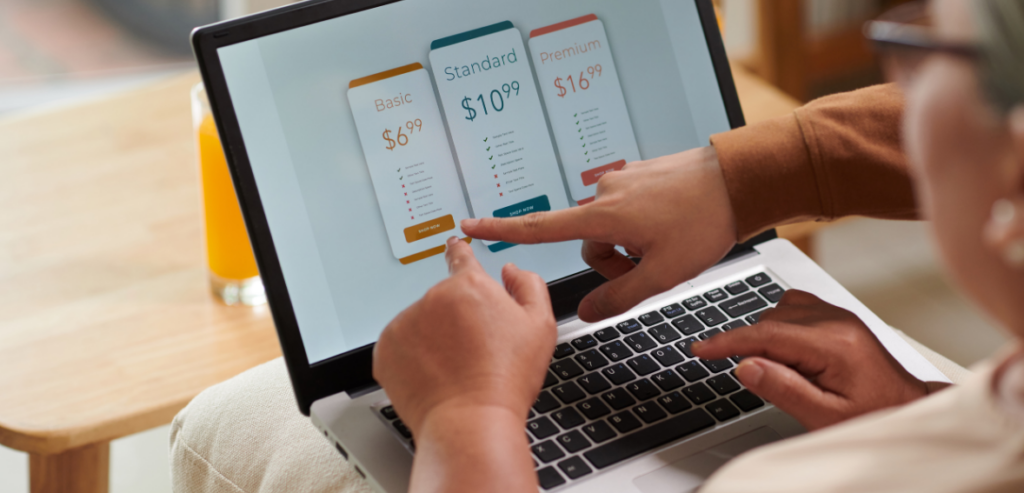
A subscription-based bakery loyalty program charges customers a recurring fee — usually monthly — in exchange for ongoing benefits. Those benefits might include a free pastry each visit, a weekly loaf of bread, priority preorder access, or a flat percentage discount on every purchase.
Why Subscriptions Are Gaining Ground
Subscriptions change loyalty. Sell customers rewards points? Pay you in advance? Loyalty points become monthly revenue. Once a subscriber, a consumer is committed. They’re likely to visit more frequently to avoid wasting the rewards they’ve purchased.
For bakeries, the cash flow benefit is significant. Predictable monthly revenue helps with ingredient ordering, staffing decisions, and overall financial planning. It also creates a natural opportunity to build a closer relationship with your most engaged customers — the kind who feel like insiders rather than just buyers.
Panera Bread’s Unlimited Sip Club
Panera Bread launched the Unlimited Sip Club in early 2022, and it resonated with its subscriber base. This was an interesting case of loyalty and recurrence in the food industry, showing how a subscription loyalty model increased daily purchase frequency. Unlimited Sip Club’s worldwide success is based on an entertaining, simple concept. No bakery will gain subscribers worldwide like Panera, but it is evident if customers pre-order or pre-commit to buy, they start to make habitual purchases, food/toppings, and more frequently. Panera’s model worked without a streaming or software app subscription.
The Challenges of Running a Subscription
Subscriptions require clear communication and a genuinely compelling value proposition. If a customer doesn’t feel they’re getting more than they’re paying for, they’ll cancel — and cancellations can feel like a personal rejection. Churn management becomes an ongoing responsibility.
There’s also the operational side. Consistently fulfilling subscription benefits, especially during busy periods, requires reliable systems and staff buy-in. A customer who pays for a weekly sourdough but doesn’t consistently receive it won’t stay a subscriber for long.
Comparing the Three Models: Which Loyalty Program Is Right for Your Bakery?
The right choice depends on your bakery’s size, customer base, and operational capacity. Punch cards are ideal for very small bakeries with minimal foot traffic and no appetite for technology. They’re approachable, zero-cost, and build goodwill without complexity.
Points programs suit growing bakeries that want deeper customer insight and the ability to run targeted campaigns. The investment pays off over time through better retention and smarter marketing.
Subscription models work best for established bakeries with a loyal core customer base and the operational infrastructure to deliver consistent value. They reward your most committed customers and generate reliable revenue, but they require genuine follow-through.
Plenty of flourishing bakeries avoid having just one method. An effective tactic can be a hybrid of a subscription tier for the most loyal customers, a points application for the frequent ones, and a punch card for the occasional ones.
Conclusion
A bakery loyalty program isn’t just a marketing tool — it’s a relationship strategy. Whether you start with a simple punch card, graduate to a digital points system, or launch a subscription that transforms regulars into committed members, the goal is the same: make your best customers feel seen, valued, and motivated to return.
Start with what you can manage well. A poorly executed sophisticated program will always lose to a well-executed simple one. The best bakery loyalty program is the one your customers actually use — and the one your team can deliver on consistently.
Frequently Asked Questions
Q: What is the best bakery loyalty program for a small independent bakery?
For most small independent bakeries, a points-based digital program integrated with an existing POS system — like Square Loyalty — offers the best balance of simplicity and data value. If technology feels like too big a step, a well-designed punch card is still a legitimate and effective starting point.
Q: How much does it cost to set up a bakery loyalty program?
Costs vary widely. Punch cards can be printed for under $50. Digital point-of-sale platforms like Square Loyalty typically charge a monthly fee of $45–$75, depending on your location and transaction volume. Custom app-based programs can run significantly higher.
Q: Can a small bakery realistically run a subscription loyalty program?
Yes, but it requires planning. Start with a simple offering — such as a weekly loaf or a monthly pastry box — and be consistent about delivering it. Set clear terms, use a simple payment platform like Stripe or Square, and limit subscriptions to a manageable number until you’ve worked out the fulfillment process.
Q: How do I get customers to actually sign up for my bakery loyalty program?
Train your staff to mention it at every transaction and make sign-up frictionless. Offer a small incentive for joining — a free item, bonus points, or a first-month discount on a subscription. Visibility matters too: table cards, counter signage, and a mention on receipts all help drive enrollment.