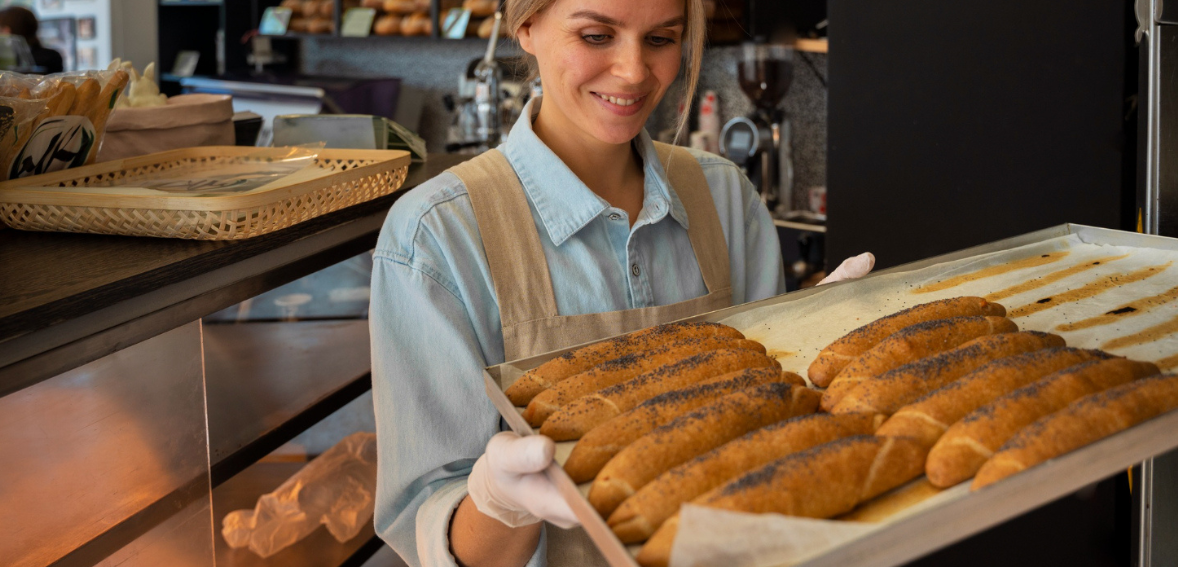
The modern bakery business has evolved far beyond cash registers and handwritten receipts. Today’s bakeries process a wide range of payment methods, including credit cards, debit cards, mobile wallets, online orders, contactless payments, and subscription-based services. Whether customers are purchasing a loaf of bread, ordering a custom wedding cake, or placing a large catering request, they expect transactions to be fast, convenient, and secure.
With more methods of digital payments emerging, the amount of duties related to protection of customers’ data increases as well. Each transaction includes some valuable information which needs to be protected from being stolen by hackers, criminals, or any other sources that can potentially cause any kind of threat. Although many bakery owners are mostly concerned about providing quality products, excellent customer service, and good management of daily activities, nowadays, bakery payment security should also be taken into consideration.
In order to ensure security of any type of transaction that takes place within a bakery store, customers expect protection of their private data from getting out of the company’s control and being used against them for any purpose. A single incident of such kind may destroy a bakery’s reputation, create additional expenses, and lead to difficulties with reestablishing the trust of the customers. Thus, the awareness about bakery payment security will enable owners to take all necessary precautions to protect themselves and their customers.
Why Payment Security Matters in Modern Bakeries
Many people associate cybersecurity threats with large corporations, banks, or major online retailers. However, small and medium-sized businesses are increasingly becoming targets because attackers often view them as easier opportunities. Bakeries that accept digital payments store or process sensitive customer information, making them potential targets for data theft and fraud.
Payment information is particularly valuable because it can be used for unauthorised purchases, identity theft, and various forms of financial fraud. If customer data is compromised, the consequences can extend beyond immediate financial losses. Customers may lose trust in the business and choose to take their purchases elsewhere.
Strong bakery payment security measures help prevent these situations by protecting transaction data at every stage of the payment process. Security systems reduce the likelihood of unauthorised access and help ensure that sensitive information remains protected during storage, transmission, and processing.
For bakeries that rely heavily on repeat business and community relationships, maintaining customer trust is especially important. A reputation for secure and reliable transactions contributes to long-term customer loyalty and supports sustainable business growth.
The Growing Role of Digital Payments in Bakery Operations
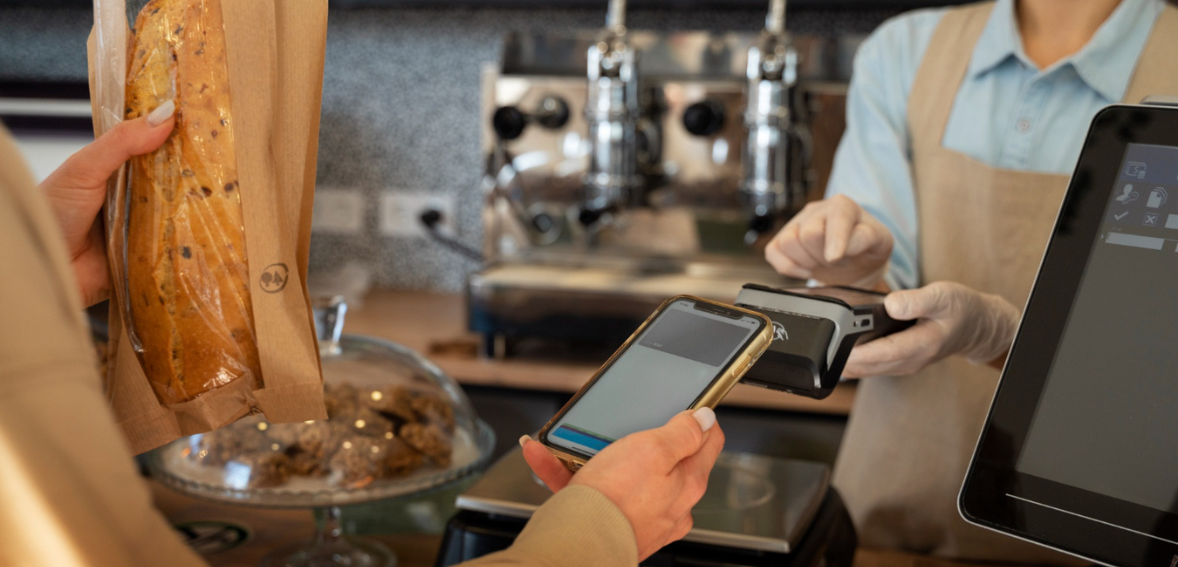
The preferences of consumers regarding payment methods have undergone tremendous change during the last decade. While cash is still being used in many cases, the majority of customers prefer using digital payment methods. It has become possible to implement various types of payments such as mobile wallets, contactless payments, online payment systems, and even delivery services in bakery operations.
There are certain advantages associated with the use of digital payment solutions for bakery operations. First of all, it becomes easier to process transactions. Secondly, it becomes simpler to maintain transaction history, and thirdly, it provides flexibility for customers who are buying the products.
However, along with those benefits, there are some additional challenges that bakeries should pay attention to. Since each digital payment method becomes an additional channel that can be targeted by hackers, it is important to make sure that all of them are adequately protected. Only in such a case will it become possible to benefit from modern payment technology.
Understanding Common Payment Security Threats
For bakery owners to ensure adequate protection of their payment systems, they must be aware of the various risks involved. There are many ways through which cybercriminals attack business entities processing customers’ payments.
Data breaches happen where criminals hack into confidential information. The methods employed include the use of insecure passwords, old software, lack of network security, or even through devices which have been compromised. It is also possible for cybercriminals to use malware attacks targeting payment terminals and company computer networks to steal payments unknowingly to the business owner.
Phishing attacks may be carried out through the sending of fake emails to employees aimed at tricking them to give away usernames or download harmful files. This provides an entry point into the payment system or customer databases. Proper payment data protection requires the use of different security measures to mitigate the above risks. It involves more than using one means of protection.
The Importance of Secure POS Systems
POS systems act as the hub for most payments at bakeries. They carry out all transactions, record sales, control the stock, and can be integrated with different business management systems. Given the pivotal role played by the POS environment in this process, it must be protected.
Most contemporary POS systems are highly secure and are equipped with different mechanisms that make payment transactions more secure. They use encryption to ensure that payment information is encrypted during transmission to different terminals. The use of tokenization software can help to protect payment data by replacing it with unique identifiers.
Updating software on a regular basis is an essential part of security measures. Well-known POS software providers always roll out new updates that offer enhanced security features and protect against newly found vulnerabilities. Thus, updating POS systems is an important step to ensuring safety. POS systems are some of the best security investments that a bakery owner can consider.
How Encryption Protects Customer Transactions
One of the most significant technologies applied to payment security is encryption. This means encoding confidential information in such a way that it becomes accessible only to authorized persons who know how to decode it.
During transactions when customers pay via credit cards or digital wallets, encryption plays an essential part of securing their information while traveling via payment channels. No matter what happens with that information on the way, it cannot be deciphered and therefore misused.
It allows protecting payment data successfully because even if information is intercepted, it is still impossible to use it due to the encryption technology that is widely applied today. While for many businesses it may remain unnoticed and work silently behind the scenes, for bakeries that deal with lots of daily transactions, encryption technology is extremely valuable.
Understanding PCI Compliance Requirements
One of the most important security frameworks for businesses that accept card payments is the Payment Card Industry Data Security Standard, commonly known as PCI DSS. These standards establish security requirements designed to protect cardholder information and reduce payment-related risks.
Achieving PCI compliance bakery requirements involves implementing a range of security measures, including secure networks, access controls, monitoring systems, and regular vulnerability assessments. Compliance helps ensure that businesses follow recognised industry practices for handling payment information responsibly.
Many payment processors and service providers assist businesses in meeting these requirements. However, compliance is not a one-time activity. It requires ongoing attention, regular reviews, and continuous improvement to address evolving security risks.
For bakery owners, understanding PCI compliance bakery obligations helps create a stronger security foundation while demonstrating a commitment to protecting customer information. Compliance also reduces the likelihood of penalties, liability issues, and reputational damage associated with payment security incidents.
Protecting Online Bakery Orders
Online ordering has become increasingly popular for bakeries, particularly for custom cakes, catering requests, holiday specials, and delivery services. While online ordering creates valuable revenue opportunities, it also introduces additional security considerations.
Customers entering payment information through websites or mobile applications expect their data to be handled securely. Businesses must ensure that online payment systems use secure connections, encrypted transactions, and trusted payment gateways.
Strong bakery payment security practices extend beyond physical store locations. Websites, ordering platforms, and mobile applications should be reviewed regularly to identify potential vulnerabilities and ensure compliance with current security standards.
By implementing secure online payment processes, bakeries can offer convenient digital ordering experiences while protecting customer information and maintaining trust in their brand.
Employee Training and Security Awareness
Technology alone cannot provide complete protection. Employees play an important role in maintaining payment security and preventing incidents. Staff members who handle transactions, access business systems, or interact with customers should understand basic security principles.
Training programmes can help employees recognise phishing attempts, protect login credentials, follow secure payment procedures, and respond appropriately to suspicious activity. Even simple practices such as creating strong passwords and locking unattended devices contribute to overall security.
Organisations that prioritise employee awareness often experience fewer security incidents because staff members become active participants in protecting business systems. Security becomes part of the workplace culture rather than a responsibility limited to management or technology providers.
The effectiveness of payment data protection efforts often depends on the actions of employees as much as on the technology being used. Well-trained staff members serve as an important line of defence against many common security threats.
Building Customer Trust Through Transparency
Customers increasingly value businesses that take security seriously. When people know that a bakery follows recognised security practices, they feel more comfortable sharing payment information and completing transactions.
Transparency can help strengthen this trust. Businesses can communicate their commitment to secure transactions through website information, payment policies, and customer service interactions. Customers appreciate knowing that security measures are in place to protect their personal and financial information.
Modern secure POS systems often include visible indicators that reassure customers during checkout. Contactless payment capabilities, secure card readers, and trusted payment processor partnerships all contribute to a sense of confidence and professionalism.
Trust is one of the most valuable assets any bakery can possess. By demonstrating a commitment to security, businesses create stronger relationships with customers while supporting long-term loyalty and repeat purchases.
Preparing for Future Payment Security Challenges
The payment landscape continues to evolve as new technologies emerge and consumer expectations change. Mobile payments, digital wallets, biometric authentication, and integrated commerce solutions are becoming increasingly common across the retail and food service sectors.
At the same time, cyber threats continue to grow in sophistication. Attackers constantly seek new ways to exploit vulnerabilities and gain access to sensitive information. Businesses must remain proactive in adapting to these changes.
Maintaining strong PCI compliance bakery standards and regularly evaluating security practices can help businesses stay prepared for future challenges. Ongoing investments in technology, employee training, and security monitoring ensure that payment systems remain resilient as threats evolve.
Forward-thinking bakery owners recognise that security is not a one-time project. It is an ongoing commitment that requires continuous attention and improvement.
The Business Benefits of Strong Payment Security
While security measures are often viewed as protective tools, they also provide significant business benefits. Secure payment systems help reduce fraud-related losses, minimise operational disruptions, and lower the risk of costly data breaches.
Customers are more likely to return to businesses they trust. Strong bakery payment security practices contribute to positive customer experiences by creating confidence in every transaction. This trust can support customer retention and encourage positive word-of-mouth recommendations.
Secure systems also improve operational efficiency. Modern payment technologies streamline transaction processing, simplify recordkeeping, and support better business management. The combination of security and convenience creates value for both businesses and customers.
Investments in secure POS systems and comprehensive payment data protection measures often generate returns that extend far beyond compliance requirements. They help create a stronger, more reliable foundation for business growth.
Conclusion
Secure payment processing has become an essential part of operating a successful modern bakery. As customers increasingly rely on digital payment methods, businesses must take proactive steps to protect sensitive information and maintain trust. From in-store purchases to online orders, every transaction represents an opportunity to demonstrate a commitment to security and professionalism.
Strong bakery payment security practices help safeguard customer information, reduce fraud risks, and support long-term business success. Implementing secure POS systems, maintaining effective payment data protection, and adhering to PCI compliance bakery standards all contribute to a safer payment environment. These measures not only protect financial information but also strengthen customer confidence and brand reputation.
As technology continues to evolve, bakeries that prioritise payment security will be better positioned to meet customer expectations and adapt to future challenges. By combining secure technology, employee awareness, and ongoing compliance efforts, bakery owners can create a payment experience that is both convenient and trustworthy. In an increasingly digital world, protecting customer transactions is no longer optional. It is a fundamental part of building a successful and respected bakery business.