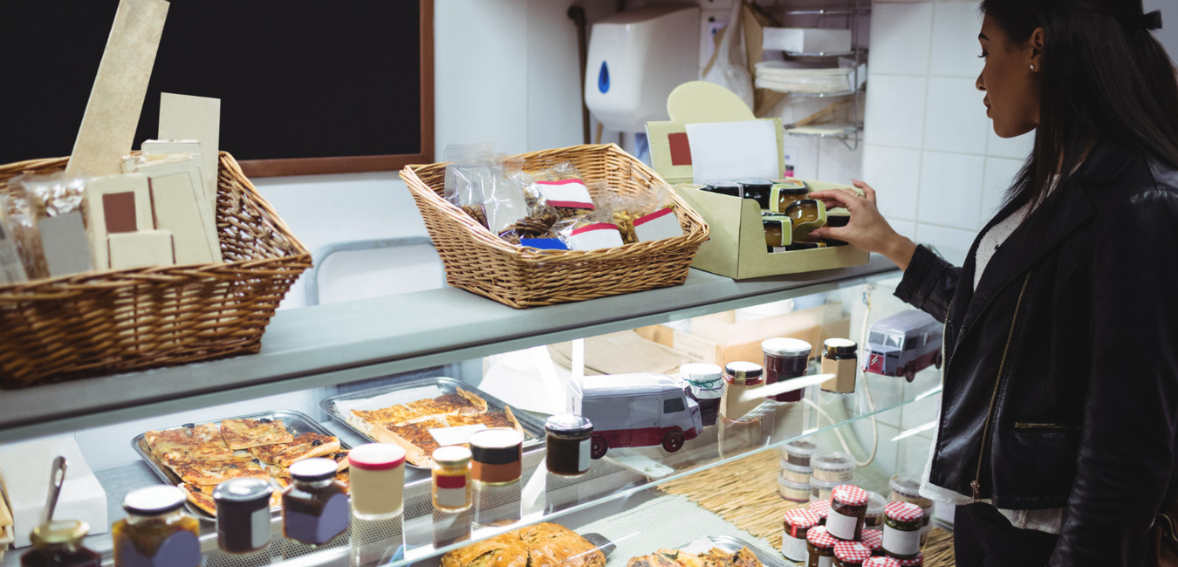
Bakeries operate in a unique retail environment where many purchases involve small amounts. Customers often visit bakeries for quick items such as a single pastry, a loaf of bread, or a cup of coffee. These purchases may range from just a few dollars to modest amounts compared to typical retail transactions. While this purchasing pattern helps bakeries attract frequent foot traffic, it also introduces financial challenges related to payment processing.
One of the biggest issues facing bakeries today is the impact that the fees associated with payment processing have on small purchases made with cards. When a business makes large purchases, the fees associated with payment processing are typically a small percentage of the amount of money being made. However, with small purchases, these fees can be a much larger percentage of the amount of money that the business is making.
It is important for bakery owners to understand the relationship between bakery card fees and the amount of money that they are processing in order to ensure that they are successful in the business. Bakeries typically process a number of small purchases on a daily basis, which means that the fees associated with payment processing can add up quickly.
To help alleviate the financial burden that payment processing fees can have on a bakery, owners need to use strategies that are specifically designed for micro payment processing.
The Nature of Small-Ticket Sales in Bakeries
Bakeries differ from many other retail businesses because of the nature of their product offerings. Many items sold in bakeries are designed for quick consumption and impulse purchases. Customers may stop by for a morning coffee, a croissant, or a small dessert without planning a large shopping trip.
This type of buying behavior translates to a high volume of low ticket transactions every day. While in other businesses, such as electronics or furniture, each transaction may equal hundreds of dollars, bakeries have transactions that equal only a few dollars.
This type of business structure creates problems, especially if payment processing fees apply to each transaction. Most payment processors have a percentage fee, as well as a flat rate per transaction, which can make smaller transactions quite expensive to process.
For example, if a bakery is selling a pastry for a few dollars, then the flat rate portion of their bakery card fees could potentially equal a significant portion of their sale price. When you multiply this by hundreds of transactions per day, you can see how quickly this becomes a significant expense.
Knowing how micro purchase processing affects small businesses is helpful in determining payment solutions that fit their needs.
How Payment Processing Fees Work
To grasp the concept of why bakeries require unique fee structures, one needs to grasp how payment processing fees operate. When one uses their card, there are various entities that benefit from their transactions, such as the issuing bank, card networks, and payment processors.
There are three types of fees associated with every card transaction. The first type is interchange fees, which go to the issuing bank of the customer’s card. The second type is network assessment fees, which go to the card networks. Lastly, there is the payment processor’s markup.
All these fees add up to form one total payment processing fee, which is charged to merchants. In most instances, payment processors charge merchants a certain percentage of every transaction, plus a per transaction fee.
To business entities that operate mostly with low-ticket transactions, this is quite essential. While one may think that a small per transaction fee is not a big deal, especially if one is used to handling high-ticket transactions, one needs to realize that this is actually a huge percentage of low-ticket transactions.
When one is handling dozens or even hundreds of small transactions every day, one can see how card fees add up quickly.
Why Small Purchases Magnify Payment Fees
In the case of small purchases, there are different challenges involved. This is because the impact of the fees increases with the reduction in the amount of the transactions. A fixed fee is charged for each and every card transaction. This is more impactful on the small purchases than the large ones.
For example, let us consider that there are two different transactions involved in the payment system. In one case, a large retailer is involved in a one-hundred-dollar transaction. In the case of a bakery, the five-dollar transaction is involved. The fixed fee is the same in both cases. The fixed fee is a small fraction of the one-hundred-dollar transaction. However, in the case of the five-dollar transaction, the fixed fee is a large fraction of the amount.
In the case of the bakery, the card fees need to be aligned with the business. This is because the profitability of the business is reduced with the increase in the amount of the small purchases. The financial pressure is reduced with the selection of the solutions that are optimized for the micro purchase transactions.
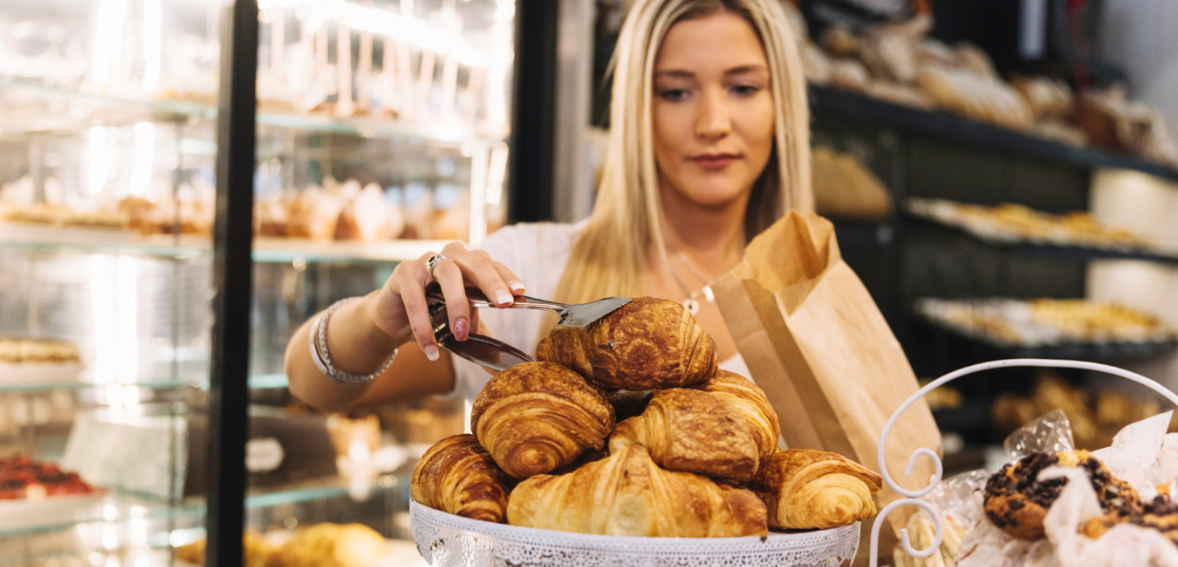
Choosing Payment Processors That Support Small Transactions
Not all payment processors are created with small transactions in mind, with some pricing models more suitable for businesses with larger order values, while others are optimized for small, frequent transactions.
Bakeries need to compare the different pricing models available before selecting the payment processors they want to use, as some processors offer special programs for small-ticket transactions, including reduced fees.
Interchange plus pricing can help bakery owners achieve transparency in relation to the fees they are paying for the bakery card fees, as the fees are split into the interchange fees and the markups.
A payment processor that allows for efficient micro purchase processing can help reduce costs in the long run, as small reductions in fees per transaction can add up with the number of transactions.
For bakery owners, understanding the differences in the pricing models is the first step in securing the profitability of the business in the long term.
Encouraging Efficient Payment Methods
Another strategy bakeries can use involves encouraging payment methods that reduce processing costs. While card payments remain popular due to convenience, some payment options may involve lower transaction costs.
For example, debit card transactions often carry lower interchange fees compared to credit cards. Encouraging customers to use debit payments when possible may help reduce bakery card fees associated with each transaction.
Mobile payment systems and digital wallets may also offer efficiency benefits depending on the processor used. Some payment solutions optimize these transactions for faster authorization and reduced costs.
However, bakeries must balance cost management with customer expectations. Convenience remains a top priority for most customers, especially when making quick purchases.
By selecting payment platforms that support efficient micro purchase processing, bakeries can accommodate customer preferences while minimizing the financial impact of low ticket transactions.
The Role of Pricing Strategies in Fee Management
Pricing strategies can also play an important role in managing the impact of processing fees. While bakeries typically price products based on ingredient costs and market demand, payment fees should also be considered when evaluating profitability.
For example, slight price adjustments on high volume products may help offset bakery card fees associated with frequent transactions. When implemented carefully, these adjustments can protect margins without discouraging customers.
Product bundling is another effective strategy. Offering combination deals such as coffee and pastry packages increases the total transaction value. This approach reduces the relative impact of processing costs on each sale.
When bakeries increase the value of individual purchases, the percentage effect of fees decreases. This strategy helps businesses manage low ticket transactions more effectively while improving overall revenue.
Pricing adjustments combined with efficient micro purchase processing systems can significantly improve financial outcomes for bakery businesses.
Technology and POS Systems for High Volume Transactions
Modern POS technology plays a crucial role in managing high transaction volumes efficiently. Bakeries often operate during peak hours when large numbers of customers arrive within short time periods.
Fast and reliable payment systems help ensure smooth operations while minimizing transaction delays. Advanced POS systems designed for retail environments support quick checkout experiences while integrating payment processing features.
These systems often provide reporting tools that help bakery owners analyze transaction patterns. By reviewing sales data, businesses can better understand how low ticket transactions affect revenue and fee structures.
Some POS systems also allow businesses to track payment processing costs in real time. This transparency helps bakery owners evaluate the true impact of bakery card fees across daily operations.
Technology that supports efficient micro purchase processing not only improves customer experience but also provides valuable financial insights for business management.

Customer Experience and Payment Convenience
While managing costs is important, bakeries must also maintain a strong focus on customer experience. Payment convenience plays a significant role in shaping customer satisfaction and repeat business.
Many customers prefer the speed and simplicity of card payments, particularly for quick purchases. Refusing card payments or creating complicated payment policies may discourage customers from returning.
Instead, bakeries should focus on optimizing payment systems so that low ticket transactions remain convenient while minimizing costs behind the scenes.
Clear checkout processes, fast payment terminals, and flexible payment options contribute to positive customer experiences. These improvements encourage repeat visits and support steady revenue growth.
Balancing convenience with cost control allows bakeries to maintain customer loyalty while managing bakery card fees effectively.
Long-Term Financial Planning for Bakeries
Managing payment processing fees should be part of broader financial planning for bakery businesses. Owners should regularly review transaction data and evaluate how payment systems affect overall profitability.
Tracking the average transaction value helps businesses understand the true impact of low ticket transactions on their finances. This insight allows bakery owners to make informed decisions about pricing strategies and payment providers.
Regular reviews of payment processing contracts can also reveal opportunities for cost reductions. Some providers may offer updated pricing models or improved services over time.
By continuously evaluating micro purchase processing solutions, bakeries can adapt to changing payment technologies while maintaining efficient operations.
Strategic financial planning ensures that bakery card fees remain manageable even as transaction volumes increase.
Conclusion
Bakeries operate in a retail environment defined by frequent small purchases. While these transactions create steady customer traffic, they also introduce financial challenges related to payment processing costs. Because bakeries rely heavily on low ticket transactions, traditional payment pricing structures may not always be ideal. Fixed fees applied to small purchases can significantly reduce profit margins when multiplied across large transaction volumes.
Understanding the structure of bakery card fees helps business owners identify opportunities to improve efficiency. By selecting processors that support optimized micro purchase processing, bakeries can reduce costs without sacrificing convenience for customers. Through careful pricing strategies, efficient payment technology, and thoughtful financial planning, bakery businesses can manage processing fees while maintaining smooth operations. By addressing these challenges proactively, bakery owners can protect profitability and continue delivering the fresh products that customers enjoy every day.